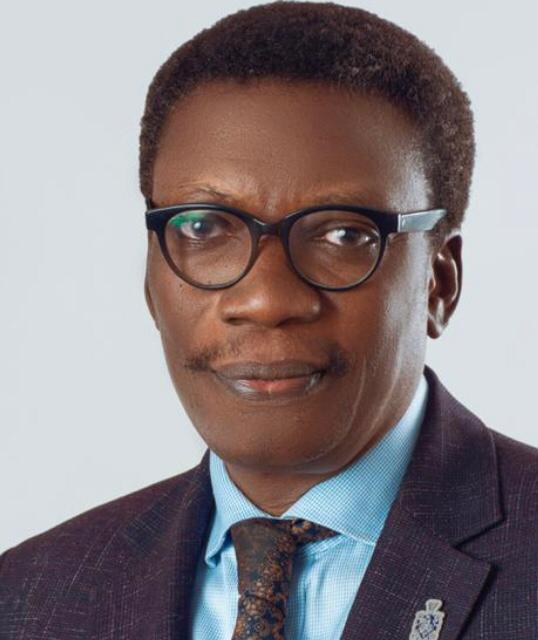
The Nigerian hospitality industry has an opportunity to lead by example in high standards, futureproofing and creativity, says Olufemi Falebita MIH MITP
The past year has seen a hive of activity in hospitality in Nigeria, not least the sponsored upskilling of cooks, waiters and housekeepers, held in Lagos. As the restrictions of lockdowns recede, conferences have become more common, including the Chef’s Colloquium and the Nigerian Hotel and Tourism Organization (NIHOTOUR) AGM, both held in Abuja.
Port Harcourt hosted the Annual Hotel Managers Meeting and the first ATHCON (Association of Tourism and Hospitality Consultants in Nigeria), where Fellows were inducted at the 5-star Wheatbaker hotel in Lagos. And The Marriott at Ikeja has added its premises to the inventory in Lagos.
These events are an encouraging sign of progress and debate in the hospitality industry but there is more to be done. To survive, we must move with the times, while preserving our history and traditions. IoH Nigeria will rise to the challenge.
We will become an agent for change and an inclusive catalyst for progress to develop our tourism sector in line with global trends and standards, to ensure we do not become professionally isolated – something that is a real possibility.
Former hierarchical styles of management are moving to a more consensual approach, as bureaucracy gives way to an uncluttered, linear manner. One does not need to be ditched in favour of the next, on the contrary, it is important that we align the two to ensure a smooth path into the future.
And our education system needs modernising. Traditionally – and from my experience – what is delivered by way of formal teaching in our institutions of learning does not match what is practised in the wider world. Students returning to college after work experience are confused by the mismatch in learning outcomes in education compared to those in the workplace.
It is time academic institutions collaborated with industry practitioners to review teaching and curricula, to come up with training delivery that is aligned with industry best practice so that our graduates are immediately and usefully employable.
The advent of robotics, use of AI and increasing use of technology are bringing the industry into the future and in Nigeria, we are ready for that, but we must also improve and assure these tools are employed with professionalism, not least because although they will bring efficiencies and stabilise the industry, and indeed, are doing so, there are implications for the workforce.
However, the human touch cannot be replaced and people will continue to be at the heart and soul of the industry; a smart combination of AI and human warmth and care will be essential to providing excellent hospitality – and that will not go away.
The following are crucial if we are to achieve all these things:
- Effective collaboration with organisations that have parallel interests;
- Creating internal structures to uphold the high standards of the industry;
- Push for the classification of all players in the sector – service providers and suppliers alike;
- Self-regulation in professional standards and improving of legal standards, so that IoH Nigeria can wield political influence in national policies that affect the hospitality industry.
We would like Nigeria to be the poster child of the African hospitality industry, to lead the way in professionalism, insight and adaptability. Posterity beckons!
Olufemi Falebita MIH MITP is chairman career and professional development for Institute of Hospitality (UK), CEDA Hospitality Mentor (Botswana) and Partner Nexus318 Hospitality, Nigeria